
An eAuction can create competitive tension, but only when suppliers trust the process enough to compete
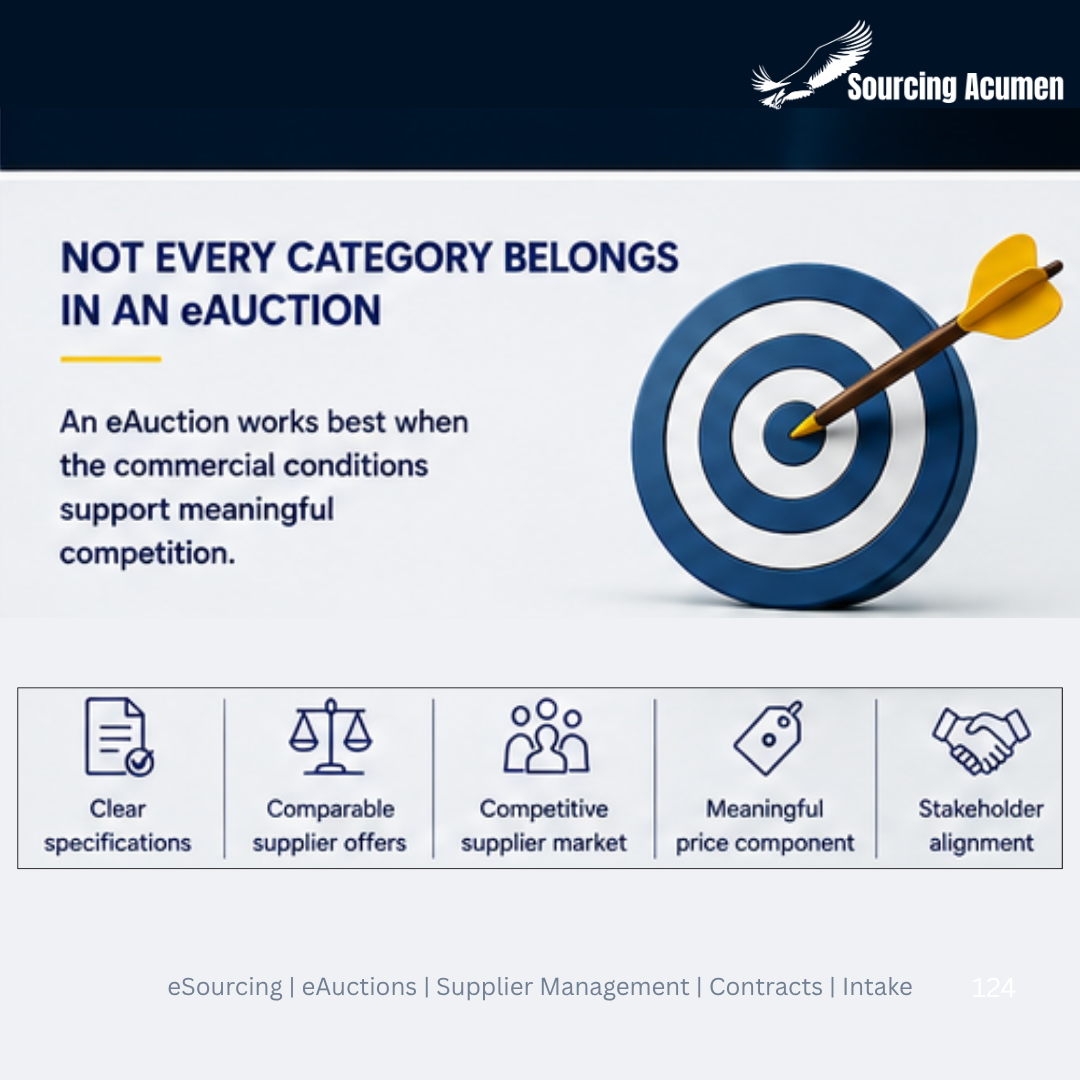
Procurement teams spend significant time deciding whether a category is suitable for an eAuction:
- Are there enough qualified suppliers?
- Are specifications clear?
- Is there sufficient competition?
- What savings can we expect?
All of these matter
But one factor can have an equally important influence on the outcome and is often underestimated:
Supplier communication
Suppliers are unlikely to put forward their strongest commercial position simply because an auction is live
They need to believe three things:
- The opportunity is real
- The process is fair
- They have a genuine opportunity to win
That makes supplier communication more than event administration. It is part of the eAuction strategy.
1. Give suppliers a reason to compete
Supplier engagement starts well before bidding opens. Suppliers need to understand what is being sourced, the scale of the opportunity, the requirements, and why participating is worth their time.
This doesn’t mean overselling the opportunity. It means giving suppliers enough clarity to make an informed commercial decision to compete.
If a supplier sees a credible opportunity to win meaningful business, it has a reason to bring its best offer to the table.
2. Remove uncertainty around the rules
Uncertainty creates hesitation which weakens competition.
Before the auction, suppliers should clearly understand the auction format, bidding rules, ranking or visibility, timing and extensions, commercial terms, qualification requirements, and award criteria.
A supplier should never enter an eAuction wondering:
“What exactly do I need to do to win?”
Clear rules allow suppliers to focus on their commercial strategy rather than trying to interpret the process.
3. Prepare suppliers before they go live
Not every supplier participates in eAuctions regularly. Even experienced suppliers may be unfamiliar with a particular format or platform.
Simple preparation including clear instructions, a platform walkthrough, practice bidding, FAQs, technical checks, and accessible support can remove unnecessary friction.
The objective is simple: When the auction starts, suppliers should be thinking about their bids not about how the auction works.
4. Make the award credible
Perhaps the strongest driver of supplier behavior is whether suppliers believe the competition is real.
If a supplier believes the incumbent will win regardless of the outcome or that the auction is simply being used to benchmark pricing then why would they reveal their strongest commercial position?
Suppliers need to believe: “If I compete and put forward the right offer, I have a genuine opportunity to win.”
The eAuction starts before the bidding starts
By the time the auction goes live, much of the groundwork for competition has already been laid.
- Do suppliers see a meaningful opportunity?
- Do they understand the rules?
- Are they prepared to participate?
- And do they believe they can actually win?
If the answer is yes, technology can do what it does best: create an environment for real-time competition. If the answer is no, simply putting more suppliers into an auction may not create a better outcome.
Technology runs the eAuction. Strategy makes it successful. And supplier engagement makes the difference.
The Sourcing Acumen perspective
At Sourcing Acumen, we believe successful eAuctions combine the right technology with thoughtful event design, supplier engagement and a credible award strategy.
Because the goal isn’t simply to run an auction or generate more bids. It’s to create an environment where qualified suppliers are willing to compete for the business.
Related Blogs:
- eAuctions: A practical guide to faster, transparent negotiations
- eAuction capabilities now live on Sourcing Acumen
- How to Run an e-Auction / Reverse Auction: A Step-by-Step Guide